
As the owner of a Chemex, you already know it doesn’t brew coffee like anything else. That thick paper filter, slow drawdown, and clean extraction tone down a lot of the bitterness and oils you’d taste with other coffee brewers. Because of that, the coffee beans you choose make a real difference – and we’ve tasted a lot of coffee to put this guide together.
In our experience, light to medium roasts with natural sweetness and bright acidity tend to be the best coffee for Chemex. Especially from regions with complex aromatic profiles, like Ethiopia and Guatemala. That said, the Chemex is flexible and the “best” coffee is ultimately the one you enjoy drinking.
To help you find the right beans for your taste, we’ve brewed and researched a wide range of coffees that are readily available in the US year-round (no limited micro-lots/ short runs). If you’re based elsewhere, we’ve also included guidance on what to look for when buying from local roasters. Plus, our tips to help you get the most out of your Chemex every time. So, let’s get this pour-over show on the road:
This article may contain affiliate/ compensated links. As an Amazon Associate, we earn from qualifying purchases at no additional cost to you. For more information please see our disclaimer here.
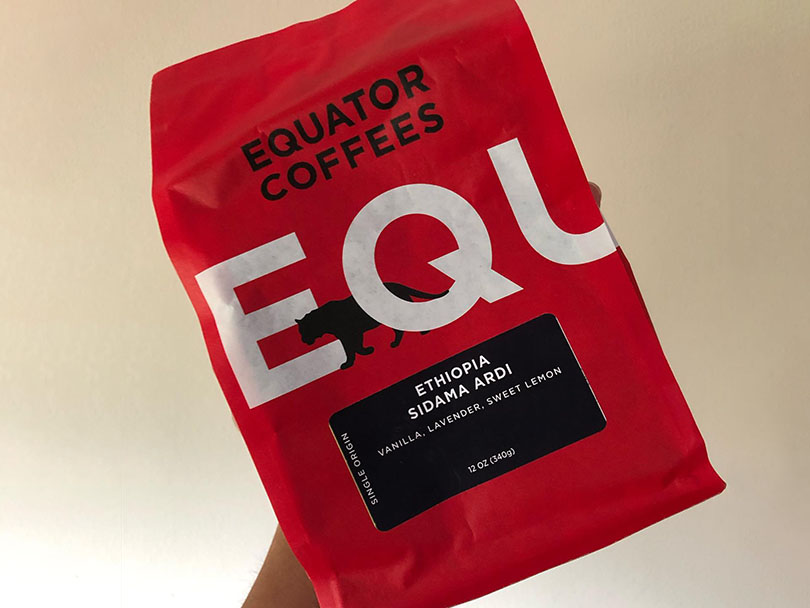
Equator Coffees, Ethiopia Sun Dried Natural
For the best flavor, our go-to Chemex coffee beans are typically light to medium roast with balanced acidity and sweetness.
That’s why our Best Overall choice is this incredible offering from Equator Coffees. It’s a quintessential example of Ethiopian coffee – intensely aromatic with sweet, fruity, and floral notes.
The light roast profile allows all those delicate flavors to sing. And when brewed in a Chemex? *Chef’s kiss* It’s clean, expressive, and delicious.

TL;DR Overview of Best Chemex Coffee Beans
| Image | Product | Details | |
|---|---|---|---|
|
|
Equator Coffees – Ethiopia Sun Dried Natural |
| |
|
Onyx – Decaf Colombia Inzá San Antonio |
| |
|
Volcanica – Peruvian Coffee |
| |
|
Spirit Origin – Parainema |
| |
|
Sparrows Coffee – Joven Guatemala Coffee Kids Project |
| |
|
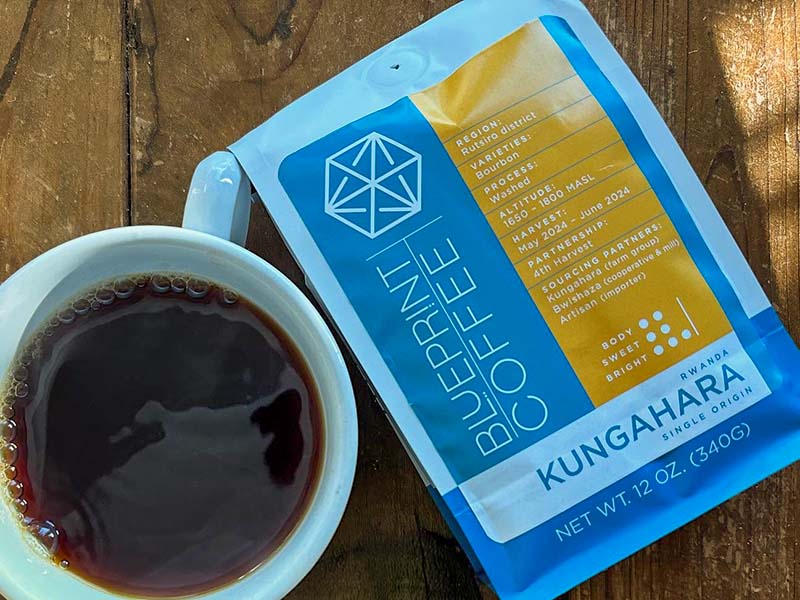
Blueprint – Rwanda Kungahara |
| |
|
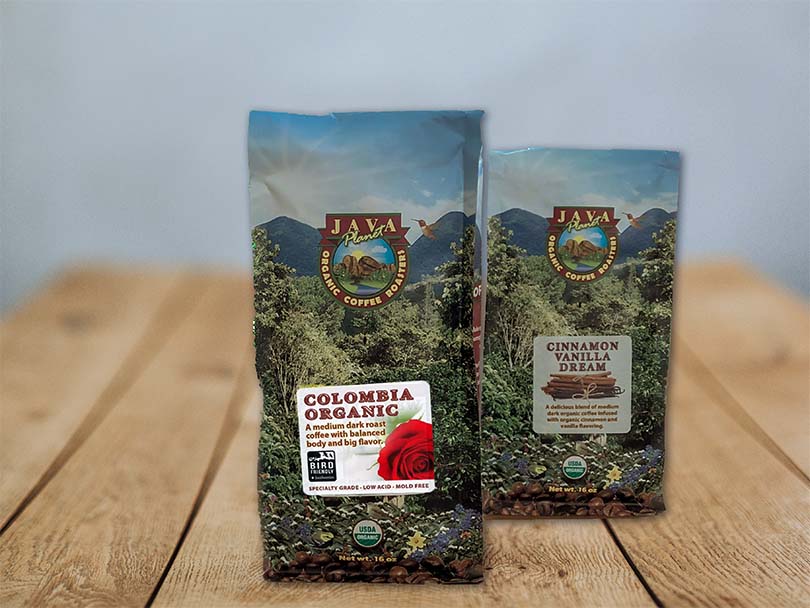
Java Planet – Organic Colombian Single-Origin |
|

Best Coffee for Chemex Reviewed
With so many options for incredible coffee out there, it can be hard to know where to start looking. So we’ve done the research and taste testing for you.
In the search for the best tasting coffee beans for Chemex, we’ve whittled it down to these top picks. (Updated to reflect what we’re loving right now.) Here, you can check out what to expect from each of the recommended Chemex coffees and what makes them such a good choice:
Ethiopia Sun Dried Natural, Equator Coffees
This coffee has long been our top pick for Chemex brewing as it consistently works well with the thick paper filters. Every cup comes out clean, highly aromatic, and naturally sweet, with clear blueberry and floral notes and no bitterness. (We grind it medium-coarse and brew it at a 1:15 ratio, which reliably brings out the best qualities.)
It comes from southern Ethiopia, sourced from multiple smallholder farms in the Guji region. The result is a quintessential Ethiopian coffee that shows its origin clearly – bright, expressive, and easy to enjoy.
Beyond flavor, we also like buying from Equator Coffees because they’re B Corp Certified. They focus on long-term relationships with farmers, fair pricing and wages, and a more sustainable coffee future.
For us, these are some of the best coffee beans for Chemex. Even with a lighter body, the flavor remains expressive and balanced, and the fruity, floral aromatics really shine.
Choose this coffee if you enjoy:
- Bright, fruity, and floral cups of coffee
- Light roasts where you can pick out each flavor
- Clean, tea-like brews without bitterness
- Mixing up your brewing methods – they’re a pretty solid all-rounder
If you prefer dark, oily, or very low-acid coffee, this may not be the best fit.
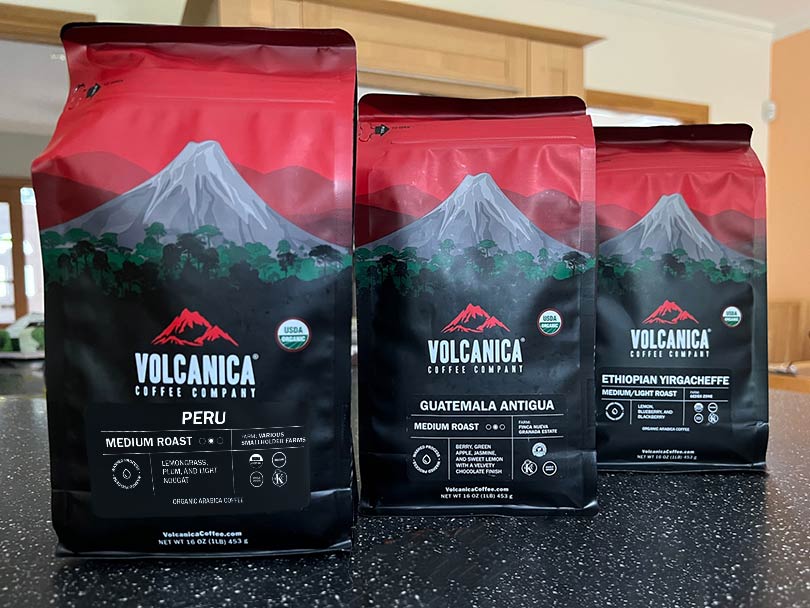
Peru Coffee, Volcanica
What to Expect:
Peru is often overlooked in the specialty coffee world in favor of the neighboring Colombia and Brazil – two of the biggest and most famous coffee-producing nations. But high-altitude Peruvian coffees can be excellent, especially when brewed as pour over. These beans are grown in the Andes between 4,500 and 6,200 feet above sea level, which helps develop their clean, balanced character.
This is one of our go-to everyday Chemex coffees when we want something easy to drink and good value for money.
Brewed in a Chemex, it produces a clean, balanced cup with gentle sweetness, mild acidity, and soft cocoa notes, without leaning too fruity or too heavy. We could clearly pick out the plum and herbal tea flavors. Volcanica also lists lemongrass as a flavor, which we couldn’t pick out, but we weren’t disappointed.
The Chemex’s thick paper filter works especially well with this washed processed coffee. It smooths out any rough edges and highlights the tea-like qualities, making it a forgiving choice if you’re still dialing in your pour over technique.
Volcanica sources these beans through Fair Trade relationships and focuses on quality and consistency, which is reflected in how reliably this coffee brews from bag to bag.
Choose this coffee if you enjoy:
- Balanced, easy-drinking Chemex brews
- Mild acidity with subtle sweetness
- Good value coffees for daily pour-over
If you’re looking for bold fruit-forward flavors or very heavy body, this may feel a bit restrained.
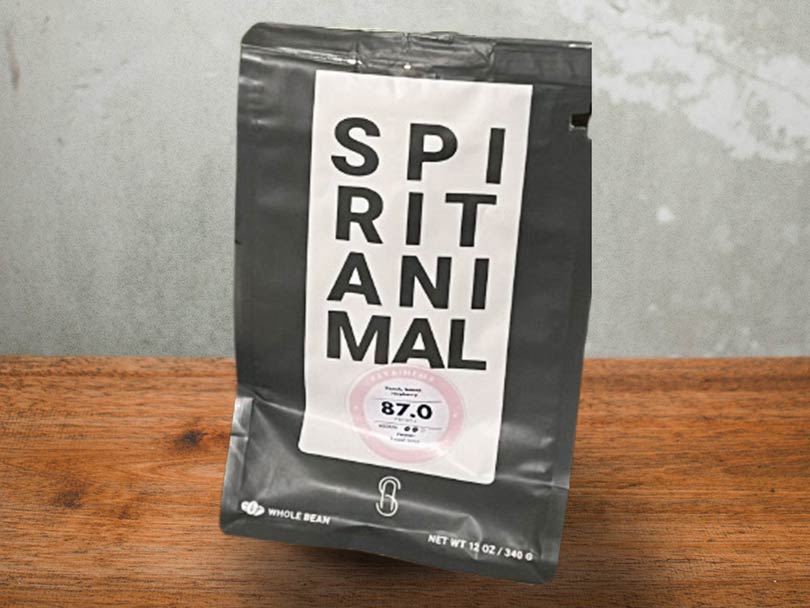
Parainema, Spirit Origin
What to Expect:
When choosing the best coffee for Chemex, showcasing Spirit Origin was a no-brainer for us. What was hard, however, was choosing just one. They partner with smallholder Honduran coffee farmers who produce exceptional single-origin coffees with a focus on good ethical practices.
We settled on their Parainema coffee varietal as it’s an excellent choice for anyone who enjoys lighter, more delicate Chemex coffees that lean toward fruit rather than body. Brewed this way, it produces a clean, tea-like cup of coffee with a gentle honey finish.
We found this medium-light roast especially easy to dial in for either our Chemex or Hario V60. The paper filters keep everything crisp and clear, letting the peach and raspberry notes come through without any bitterness or heaviness. Compared to the Ethiopian pick, this one feels a little softer and more rounded, with less acidity and more sweetness.
The beans are grown in the Yoro region of Honduras by Raquel Giron, a fourth-generation coffee grower. Spirit Origin works directly with smallholder producers and roasts the coffee at origin in Honduras – the best way to support the local economy. It’s then sent to you via air freight for optimal freshness.
Choose this coffee if you enjoy:
- Light, fruit-forward Chemex brews
- Clean, tea-like cups with gentle sweetness
- Exploring unique varietals beyond the usual origins
- Supporting the communities that grow your coffee
If you prefer heavier body, darker roasts, or bold chocolate flavors, this may feel too subtle.
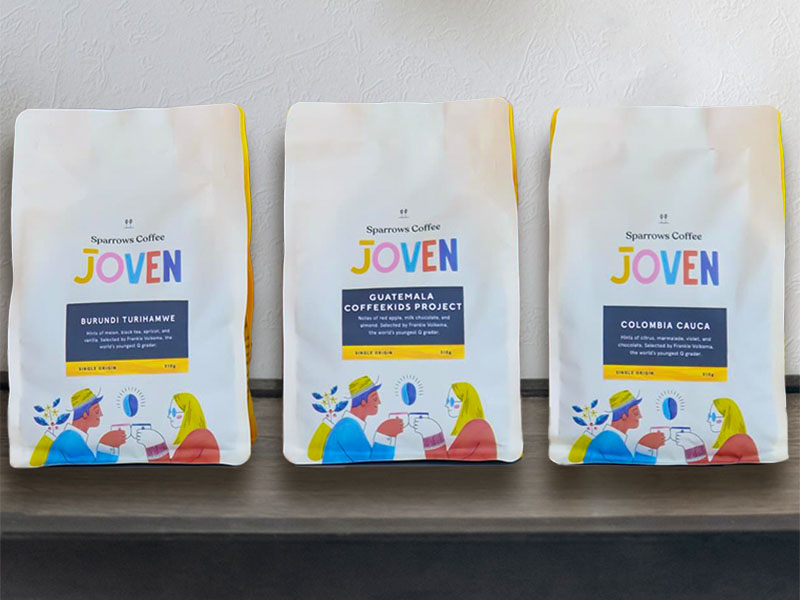
Joven Guatemala Coffeekids Project, Sparrows Coffee
This is a great option if you want a richer, more chocolate-forward Chemex coffee without moving into dark-roast territory. It delivers a smooth, balanced cup with gentle sweetness, bold stone-fruit, and a satisfying chocolatey finish.
We also picked this as our overall favorite coffee beans from Guatemala, as it’s a versatile option for other brewing methods too. When using a Chemex, the heavier elements are toned down, which keeps the cup clean, whilst still having enough body to feel comforting. It falls as a nice middle ground on this list, between the super light and the darker styles.
The beans come from Huehuetenango, one of Guatemala’s most respected growing regions.
We also like that this coffee supports the Coffee Kids Project – training young farmers in sustainable coffee farming methods. On its own, this coffee stands out, but the meaningful social impact sweetens the deal.
Choose this coffee if you enjoy:
- Richer brews with chocolate and nutty flavors
- Medium roasts that still taste clean and balanced
- Comforting, everyday pour-over coffees
If you’re looking for bright, high-acid, fruit-forward flavors, this may not be the best fit.
Rwanda Kungahara, Blueprint Coffee
This is a great option if you like bright, clean Chemex brews with a bit more structure and sweetness than a typical light roast. It produces a clear, well-defined cup with lively citrus up front, followed by rich brown sugar flavors, and a subtle spiced finish.
For me, the hint of spice is what makes these coffee beans really stand out. It adds depth without overpowering the cup.
Rwanda is one of the most underrated coffee nations in the world. Known as the ‘Land of 1000 Hills’, it’s a stunning country with the altitude, climate, and soil needed for high-quality coffee. The effects of the 1994 genocide are ever-present, however, with many coffee farms run by widowed women. So the Kungahara group, made up of more than 200 women, provides vital support and training.
Blueprint pays a premium to source this coffee and support the communities that grow it. It’s a reassuring background for drinkers who care not just about how their coffee tastes, but also how it’s sourced.
This is the kind of coffee that rewards slower, more relaxed drinking. It brings something a little different from the other picks and is balanced enough to work as a daily pour-over.
Choose this coffee if you enjoy:
- Bright cups of coffee with balanced citrus acidity
- Something a little different, thanks to the light spicy notes
- Light–medium roasts that stay crisp without becoming sharp
If you prefer very low-acid or heavily chocolate-dominant coffees, this may not be the best fit.
Organic Colombian Single Origin, Java Planet
Garish packaging aside, Java Planet has flavorful coffee that’s both good for the environment and your taste buds. It’s a good choice if you prefer a richer, more luxurious coffee without moving into very dark or smoky flavors.
When brewed in a Chemex, the medium-dark roasted coffee tastes sweet and spicy. The first thing we tasted was the chocolate and nut notes, but there’s a gentle fruit in the back to balance it out. Compared to the other options, we needed to use a slightly coarser grind.
Java Planet’s Colombian single-origin is grown with sustainability in mind and carries both USDA Organic and Rainforest Alliance certifications. This means the workers are getting fair wages, the farmers are getting a fair price, and the environment is being protected.
The bold flavor of Colombian coffee works really well in a Chemex; the fuller style can have a very pleasing chocolatey character with reduced bitter notes. It’s particularly well suited for drinkers who want comfort and depth over high acidity or floral notes.
Choose this coffee if you enjoy:
- Fuller-bodied Chemex cups with chocolate and nut flavors
- Medium-dark roasts that stay smooth and balanced
- Easy, consistent coffee for everyday brewing
If you’re looking for bright, fruit-forward or tea-like coffees, this may not be the best fit.
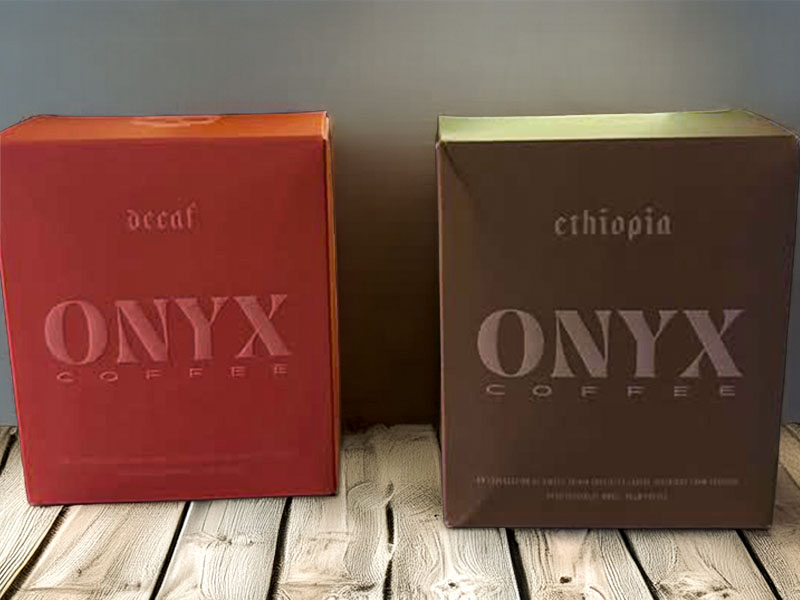
Onyx Coffee Labs – Decaf Colombia Inzá San Antonio
We can’t drink coffee too late in the day or we’ll never sleep. So we’re always on the lookout for great decaf coffee that doesn’t compromise on taste. And this is one of the best coffees we’ve found for Chemex brewing (or AeroPress).
If you don’t want to give up clarity or brightness, this is a great option. It’s very lightly sweet with gentle fruit notes and a smooth, rounded finish. There’s none of the flat or hollow character that decaf can sometimes have.
By using the Swiss Water Method for decaffeinating their coffee beans, the beans’ natural flavors are preserved. (A process that doesn’t use any chemical solvents.)
The coffee comes from the Inzá region of Cauca, an area known for high-quality Colombian coffees.
This is a decaf that works well at any time of day. It’s flavorful enough to be interesting, but gentle enough to drink even right before bed.
Choose this coffee if you enjoy:
- Clean, well-balanced decaf coffee
- Light fruit sweetness with a smooth finish
- Decaf that still tastes like specialty coffee
If you prefer very dark, bold decaf with heavy body, this may feel a bit restrained.

How to Choose the Best Coffee Beans for Chemex
The best coffee beans are the ones you enjoy drinking the most.
It doesn’t matter what style of coffee maker you’re using or what coffee geeks like us say – if you’ve found something you like to drink, stick to it.
However, if you’re still looking for those special coffee beans for Chemex brewing, and you can’t get hold of our favorites, the following buying guide should keep you right:
Best Style of Coffee for Chemex
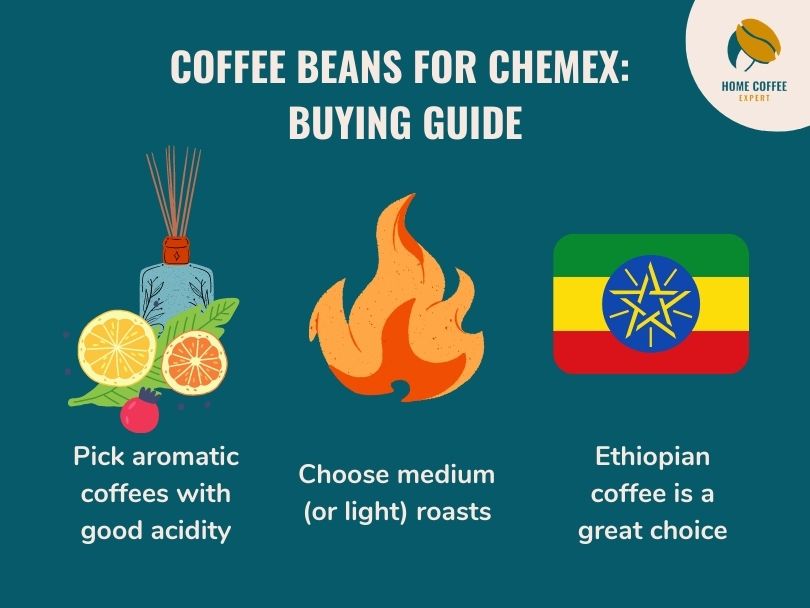
Generally, you will get the best results from an aromatic coffee that has good body and acidity.
Different coffee makers will bring out different characteristics from your coffee beans. And the slow extraction of Chemex means that more delicate and complex notes can be brought to the fore where they would be lost in espresso, for example.
It also means you can experiment with different varieties, styles, and roasts to get the full flavor of the bean and decide what you like the most.
Best Roast for Chemex
The coffee roast level will make a bigger difference to the flavor profile of your coffee than the origin. While roasters use a lot of different names, coffees can fall into one of three categories: light, medium, or dark.
Light roasts are excellent for Chemex as they show off the nuance of the beans’ natural flavor. With other brewing methods, these flavors can be harder to extract. But as the Chemex brews slowly, it draws out the delicate flavors. So the floral, fruity, and tea-like notes can really shine.
Medium roasts are the safest all-round choice and, for most people, the best roast for Chemex. They’re easier to extract, still preserve some of the unique flavors of the farm/origin, and add familiar sweetness and depth. You’re more likely to taste the “quintessential coffee flavor” of chocolate, caramel, and brown sugar.
Dark roast coffee is the easiest to extract flavors from, which is why they’re the preferred coffee beans for espresso – a short extraction processes. The oils are nearest the surface so are very easy to extract. You tend to taste more of the roast than the origin and the bitter notes are more prevalent.
Dark roasts are the easiest to extract flavors from (which is why they’re the preferred coffee beans for espresso), but they tend to emphasize roast flavors over origin. The Chemex’s thick paper filter helps to tone down the bitterness and oils, so they’ll taste different from an espresso with the same beans. But you’ll still get some bitterness in the cup.
Where do the Best Chemex Coffee Beans Come From?
Not all coffee is created equal. There are a lot of steps on green coffee beans’ journey from the farm to your cup so you can get bad coffee from a great coffee-producing country and pretty decent stuff from a traditionally poorer quality area (although less likely).
For us, Ethiopia grows the best coffee beans for Chemex. This brewing method really helps the unique aromas and floral flavors of Ethiopian landrace beans to shine in your cup. And, as light and medium roast beans are the two best roasts for Ethiopian coffee, it really is a match made in heaven.
For other great regions, we recommend looking to Central and South America:
Peruvian and Guatemalan coffee beans both offer high-altitude grown coffees that have the depth and complexity that shines in a pour over. Or, look to micro-lot Honduran coffees or honey-processed Costa Rican coffee.

What Grind Size Should You Use?
Getting the Chemex grind size right will mean getting the perfect extraction of flavors from the ground coffee bed. And, ultimately, incredible tasting coffee.
For the most flavorful coffee, Chemex recommends a grind size similar to that of sea salt. For those who prefer precision measurements, this is around 800-1000 microns. Every coffee lover will have their own preference which may vary depending on the choice of beans or type of grinder, but it should fall within this range.
If your coffee tastes a little sour and thin, use a finer grind size.
If it tastes bitter, use a coarser grind.
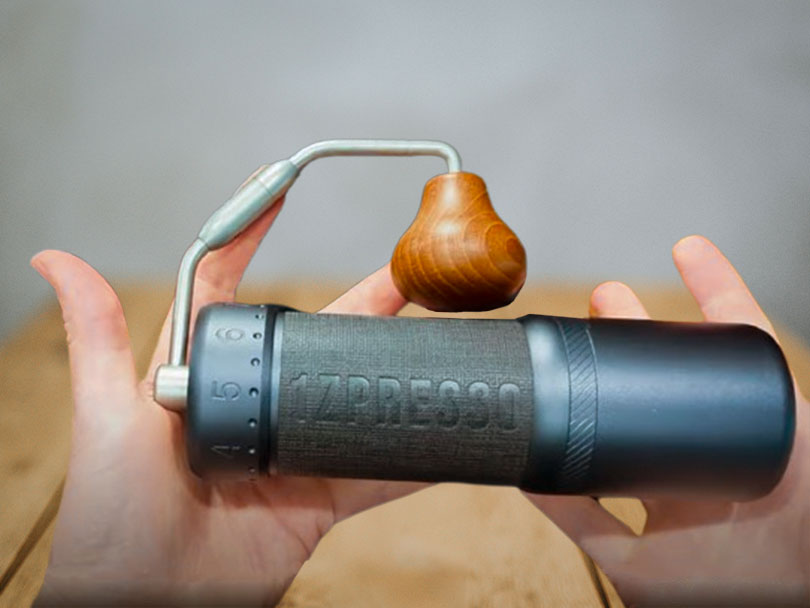
After a few attempts, you should be able to nail down the perfect grind for you. Getting one of the best manual grinders can make coffee brewing at home easier, and save you money over an electric grinder.
Our top choice for Chemex grinding is the 1Zpresso J Ultra, thanks to its precision and range. But there are great grinders out there at all price levels. Investing in a good grinder will help make your Chemex coffee taste delicious.

How to Brew with Your Chemex
There’s a little learning curve to nail your technique, but once you’ve got it nailed down, it’s plain sailing all the way. Just follow these simple steps:
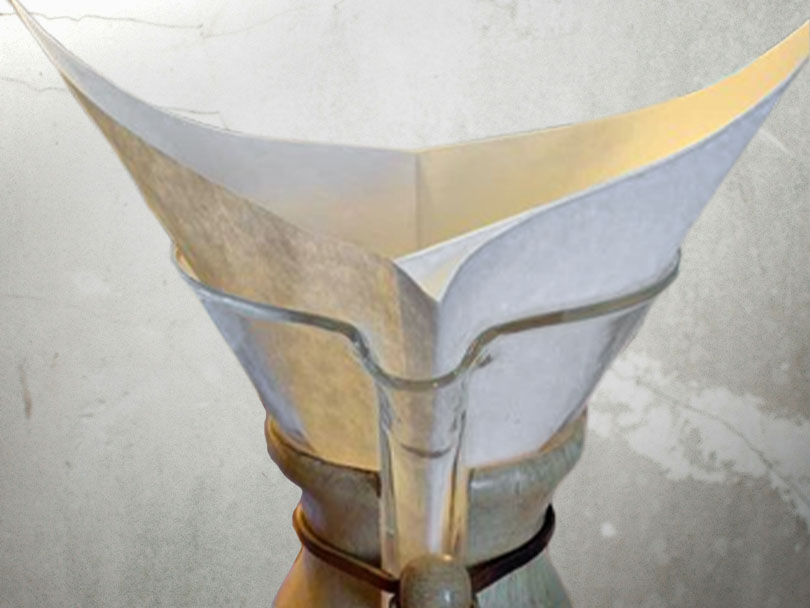
- Place the special Chemex coffee filter into the top of your brewer with the triple-layered side over the spout. Rinse with hot water to remove any lingering flavors from the filter and seal it to the sides of the Chemex. Discard the water.
- Grind and add your coffee. For best results, always use whole bean coffee and freshly grind it before brewing. As a good starting place, Chemex recommends a 1:15 ratio. Getting the coffee-to-water ratio just right will be a personal preference, so play about until you find the sweet spot (our Chemex ratio calculator will help).
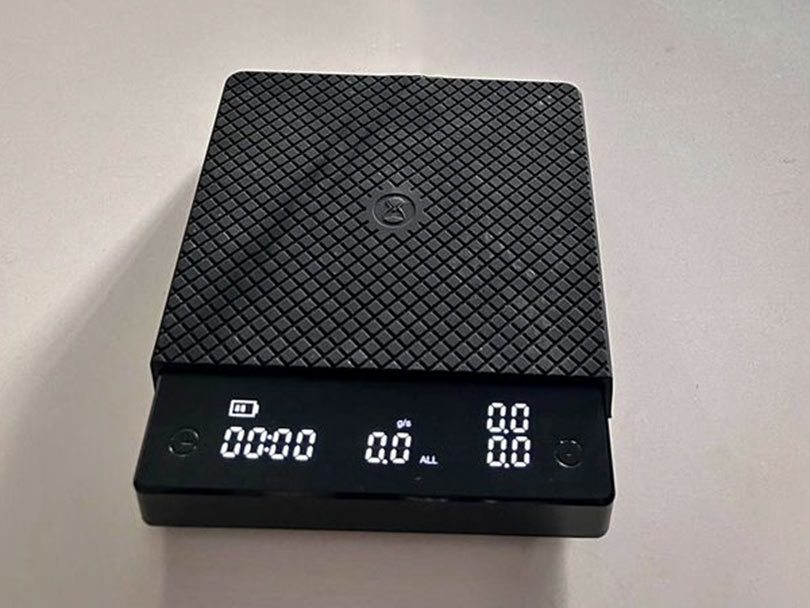
- Place your Chemex on a coffee scale to accurately measure the water added. You can use a measuring jug if you don’t have a coffee scale. But, to brew Chemex coffee more accurately, a scale with a fast response and even a built-in timer will make brewing coffee easier and better.
- Add a small amount of water, just enough to cover the grounds, and allow them to “bloom”. This allows all the gases that are trapped during roasting to escape and will lead to better flavor from your favorite coffee beans.
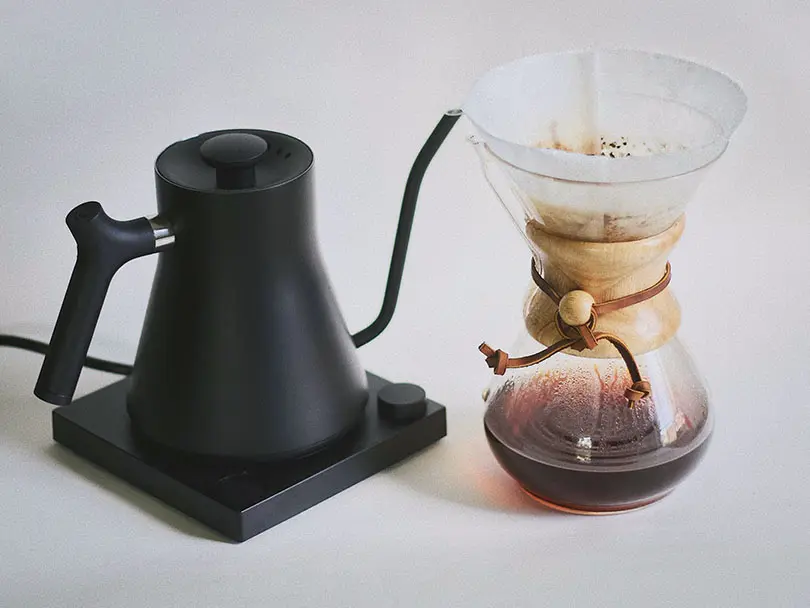
- Pour around half of the water in a slow spiral pattern. Ensure you cover all the beans and pour over any dark spots that you see. Wait until the water level has dropped to nearly gone before restarting.
- Pour the rest of the water in the same manner over the grounds. Once the water has all filtered through you can discard the filter and grounds and serve. The brewing process should take around 4 minutes to get the right coffee flavor.
Shop the Equipment Needed:

Summing Up
The best coffee for Chemex will be whatever coffee you love most.
That said, this pour over brewing method works best with coffees that have natural sweetness, good aromatics, and balanced acidity.
Thanks to the paper filter and slower extraction, the Chemex highlights clarity and nuance while muting any harsh bitterness in the beans. That’s why light and medium roasts tend to perform so well. They allow the character of the beans and the unique flavors of the growing region to come through cleanly in the cup.
Whether you prefer bright and floral, soft and chocolatey, or something in between, the coffees in this guide were chosen because they consistently brew well in a Chemex. Plus, you can get them year-round in the US. Use them as a starting point, experiment with grind size and ratios, and trust your own taste – it’s a forgiving brewer once you get to know it.