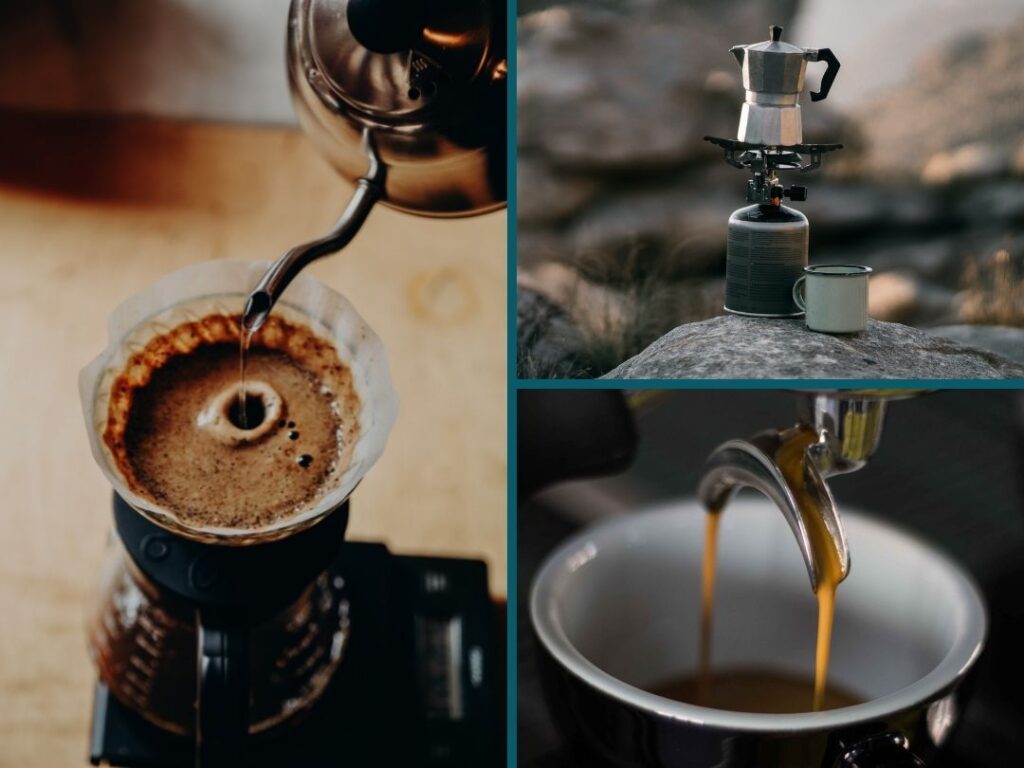

There’s a reason the Bialetti Moka Express has been sitting on kitchen stoves since 1933 – and it’s not just because it looks cool. Long before we owned a shiny espresso machine or became obsessed with testing specialty coffee gear, there was a battered aluminum Moka pot on our stove. And after years of experimenting with grinders, machines, pour-overs, AeroPresses, and more, we still come back to it.
Because when you want rich, syrupy, no-nonsense coffee without overcomplicating your morning? The Moka Express just delivers.
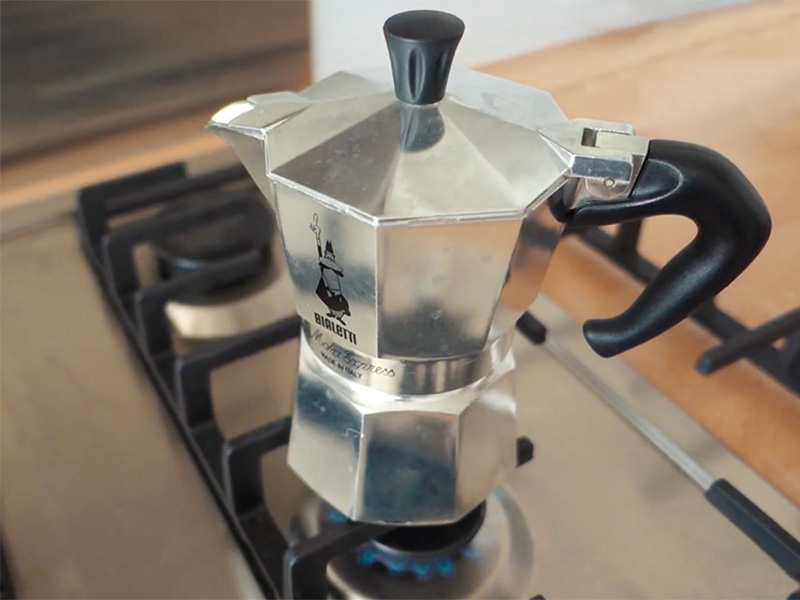
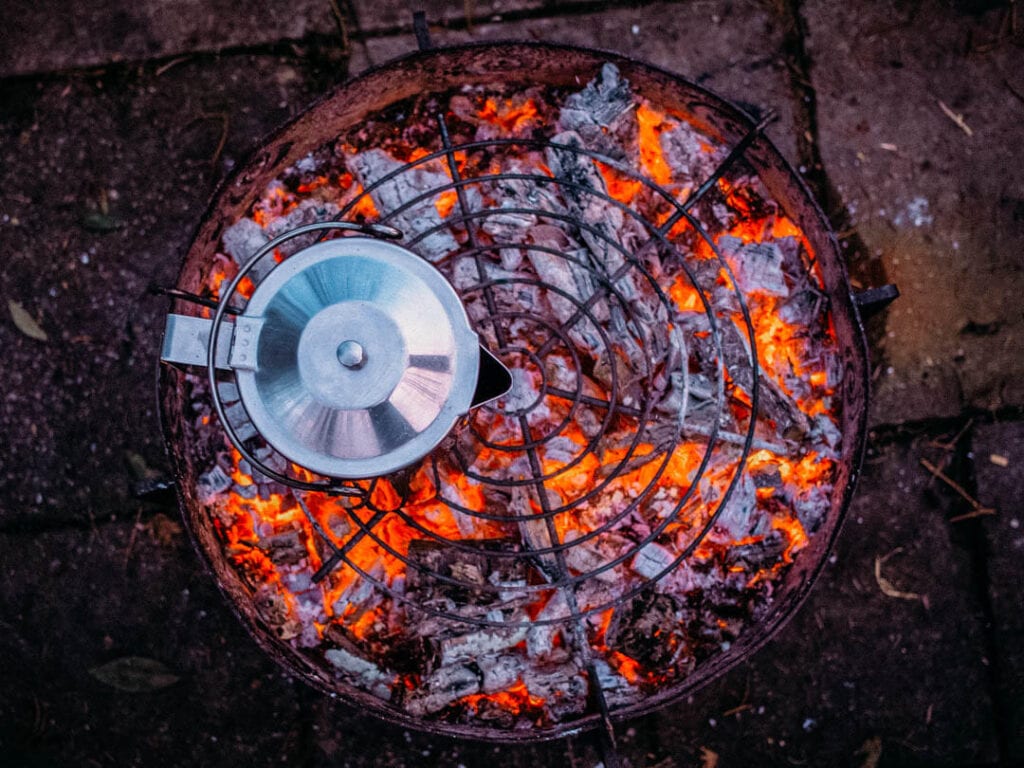
We’ve used this thing for years. At home, on camping burners, in tiny apartments, and on hectic weekday mornings. It’s been overheated (once, lesson learned), dialed in, pushed to its limits, and brewed thousands of cups. And despite all that? It’s still going strong.
Sure, it’s not perfect. It makes one very specific style of coffee, and you actually have to pay attention while brewing. But if you love bold, intense stovetop coffee and want something affordable, durable, and portable, it’s hard to beat.
Overall, it’s a classic for a reason… with a small learning curve. If that sounds like your kind of coffee, keep reading. In this Bialetti Moka Express review, we’ll show you exactly whether it deserves a spot in your kitchen.
This article may contain affiliate/ compensated links. As an Amazon Associate, we earn from qualifying purchases at no additional cost to you. For more information please see our disclaimer here.
At a Glance: Bialetti Moka Express Review
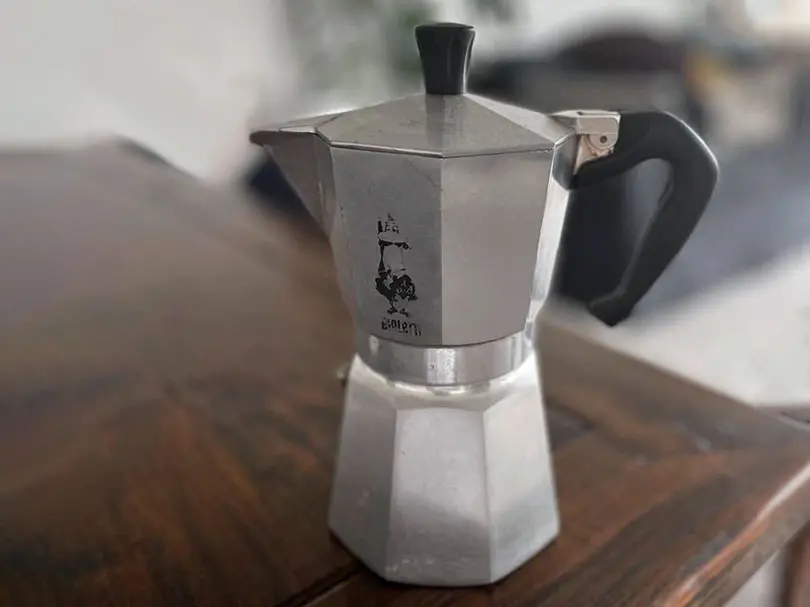
Verdict: The Bialetti Moka Express is best suited to coffee lovers who enjoy strong, concentrated stovetop brews (somewhere between espresso and drip) and don’t mind a little hands-on involvement.
It’s not true espresso, and it’s not a set-it-and-forget-it machine. But if you’re happy to spend a few minutes dialing in your grind and heat level, it delivers a rich, bold cup that punches well above its price point.
Where it really stands out is durability and value. There’s no electricity, no fragile electronics, and very little that can go wrong. Treat it well, and it could easily last decades.
Bottom line: If you want café-style crema at the push of a button, look elsewhere. But if you want affordable, portable, old-school coffee that’s stood the test of time, the Moka Express remains one of the safest buys in home brewing.
Pros
- Rich, bold coffee quality
- Built to last
- Portable – no electricity needed
- Easy to clean and maintain
- Budget-friendly
- Available in a range of colors and sizes
- Two-year warranty
Cons
- Not dishwasher safe
- High maintenance: can’t turn on then ignore
- Takes practice and patience to perfect brewing
- Limited to one style of coffee

Who It’s For (And Who It’s Not)
No coffee maker is perfect for all people, and the Bialetti Moka Express is no different.
✅ This is right for you if…
- You love bold, rich coffee and enjoy hands-on brewing
- A little effort is okay – you don’t mind spending a few minutes dialing in grind and heat for the perfect cup
- You’re looking for something that will last for years to come and prioritize simplicity over gadgets and electronics
- You want a portable, budget-friendly coffee maker you can take camping, use in an RV or in a small apartment
- Your home has a gas or electric stove – you’ll need the Bialetti induction plate adapter if you have an induction stovetop
❌ Skip the Moka Express if…
- You expect true espresso with crema at the push of a button – Moka coffee is its own unique style
- The convenience of a one-touch or fully automatic machine is what you’re after
- You have an induction stove and don’t want to buy an additional adapter
- You want a coffee maker that requires zero attention while brewing – it could explode if left alone

Key Features Review
1. Portable and Flexible
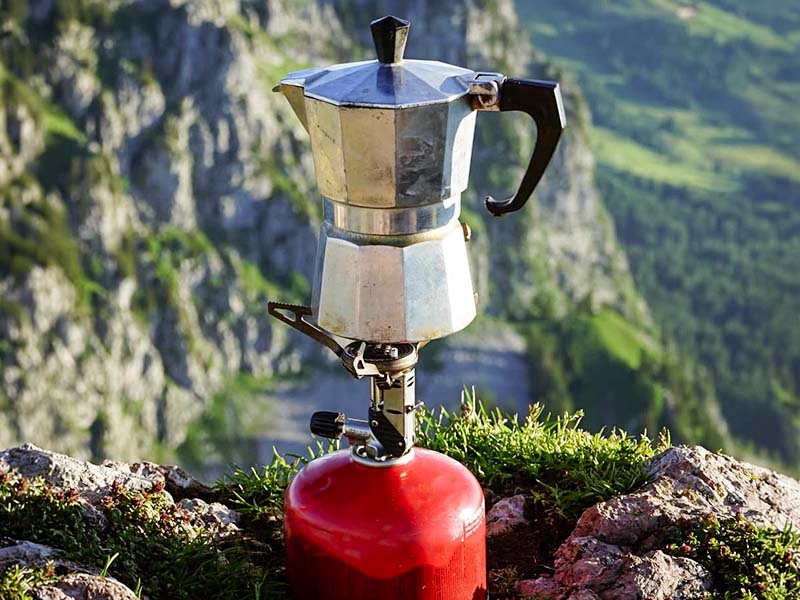
Take the Bialetti Moka Express anywhere that you’ll have a heat source – gas stove, electric hob, camping burner, or hotplate. As long as you can heat water, you can make coffee.
2. Iconic Classic Design
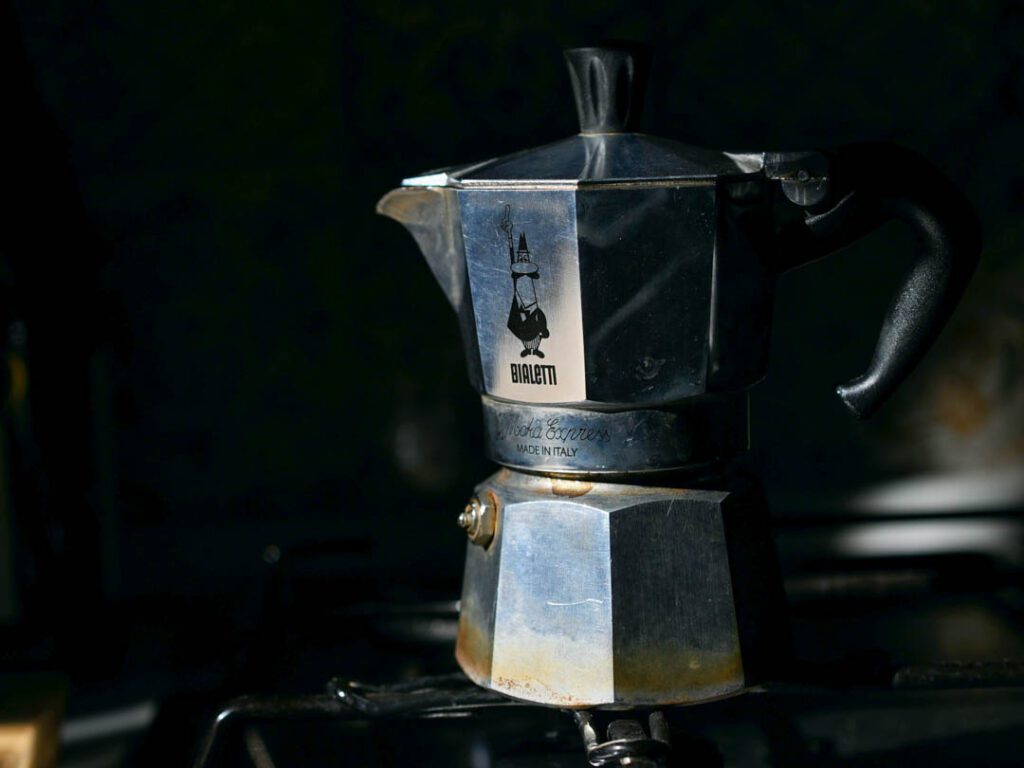
Bialetti created their Moka coffee pot in 1933, and the brushed aluminum design hasn’t changed since. The simple, timeless style looks great in almost every kitchen. If you prefer a more “lived-in” style of decor, this fits in much better than a lot of the space-age-looking espresso machines.
3. Durable and Long-lasting
The aluminum construction makes it practically indestructible. With proper care, it can last decades -we’ve had ours since our student days (more years ago than I care to admit), and it’s still going strong.
4. Easy to Clean
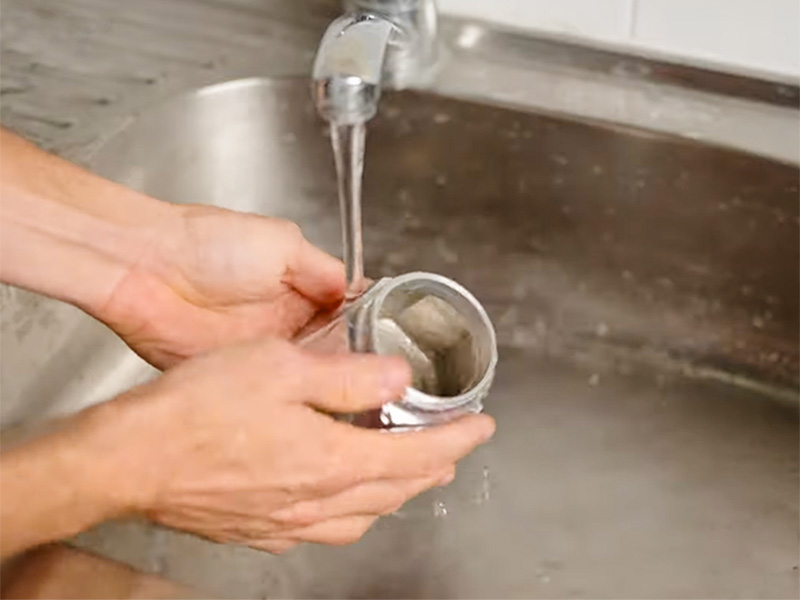
There’s no descaling or complex dismantling. You simply take the sections apart and give them a rinse after each use, and you’re ready for the next cup. Just avoid the dishwasher or using dish soap to preserve the aluminum.
5. Great Value for Money
The Bialetti Moka pot is budget-friendly without compromising on quality. Even if you buy a separate grinder rather than using pre-ground coffee, the total cost is lower than that of many entry-level espresso machines.

Is it Easy to Use?
The Bialetti Moka Express is simple in theory, especially when compared to a manual espresso maker. But it does require more skill than a simple push-button machine, and rewards a bit of attention and practice.
After years of testing, here’s our step-by-step method. Plus, our tips to avoid the most common mistakes:
How to make coffee in your Moka pot
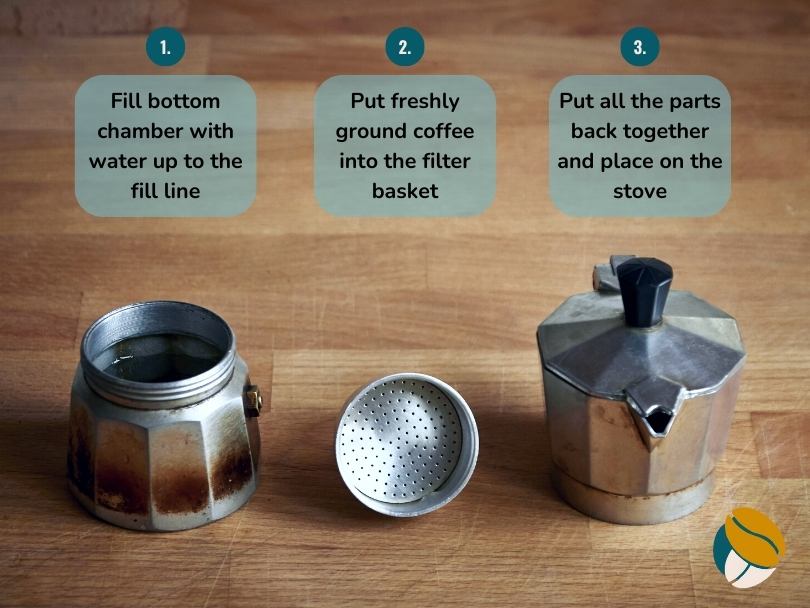
- Fill the bottom chamber with pre-heated water up to the fill line
- Too much water is dangerous – not only will your coffee end up over-extracted and bitter, but it could also cause a dangerous pressure build-up or explosion. Too little water and it won’t brew properly, likely burning your grounds as the water turns to steam too early.
- Add freshly ground coffee to the basket
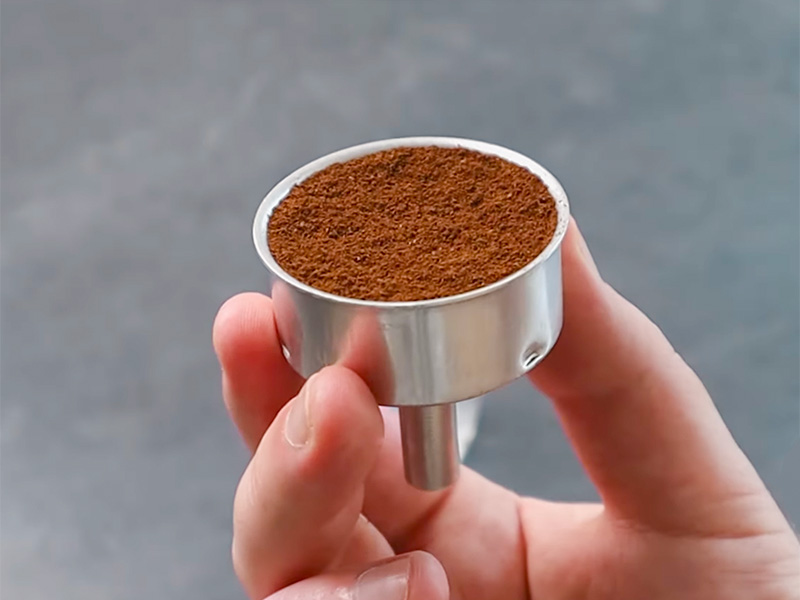
- Place the filter basket into the bottom chamber, then fill it. The exact amount of coffee you need depends on the size of your Moka pot, but we use roughly 16g from a 4-cup Bialetti Moka pot. You don’t tamp the grounds down like you would with other espresso machines, just gently level it off. The grind size does matter – you’re aiming for medium-fine.
- Assemble and heat
- Screw the top on securely and put the Bialetti Express on a low-to-medium heat. Be careful not to make it too hot, or you could scorch the coffee, resulting in a burnt-tasting brew. Keep the lid open whilst it’s brewing so you can keep an eye on the progress
- Listen for the gurgle
- The distinctive gurgling sound signals that your coffee is ready. Quickly remove it from the heat to prevent over-extraction. We like to immediately wrap the bottom chamber in a cold, damp towel to stop the residual heat from burning the grounds. Or you could pour cold water over the outside of it.
- Pour and enjoy
- Once bubbling stops, give it a quick stir to mix the rich bottom layer with the lighter top layer, then pour immediately. If it’s too strong and bitter for you, you can dilute it with hot water to taste.
The complexity comes in mastering these very simple steps. Getting the perfect coffee is a balancing act of water-to-coffee ratio and how quickly you heat the pot. It took us maybe 4 or 5 attempts to get the coffee we liked. A combination of adjusting the grind and the heat of the stove.
💡 Pro Tips from Years of Testing
➡️ Practice makes perfect. Go into your first attempt(s) assuming you’ll have to throw your coffee away.
➡️ Use fresh coffee. Grinding beans immediately before brewing dramatically improves the flavor.
➡️ Clean after every use. Avoid using any soap, detergent, or the dishwasher. Just rinse and thoroughly dry every time you use it.
➡️ Adjust for cup size. Bigger Moka pots (6-12 cups) will require a lower heat for even extraction.
➡️ Use a small heat source. On a gas stove, make sure the ring is smaller than the base of the Moka pot.

Grounds, Beans, or Pods?
Moka pots only take ground coffee. And freshly ground will always be better than buying pre-ground.
Since the Moka Express is a cheap coffee maker, you could buy a grinder separately without breaking the bank. (On a budget, we recommend the Javapresse or Timemore C3 for a manual grinder or the OXO Brew for an electric option.) This way, you get fresh ground coffee exactly how you like it.
You’re looking for a medium-fine grind size, think along the lines of fine sand or table salt. If you’re used to grinding for other types of coffee makers, Moka coffee needs to be coarser than you’d use for espresso but finer than drip coffee.
If you want to keep things extra simple and you’re not too worried about the loss of flavor, you can buy pre-ground coffee. Just double-check the grind size before buying, or ask your roaster to grind specifically for a Moka pot.
We also recommend storing your ground coffee in a vacuum-sealed jar (this is our go-to one) to help keep it in good condition for longer.

Design & Build Quality Review
We love the timeless design that Bialetti first came up with in 1933. The brushed aluminum body and angular shaping is lightweight, durable, and easy to store (even in small kitchens or an RV).
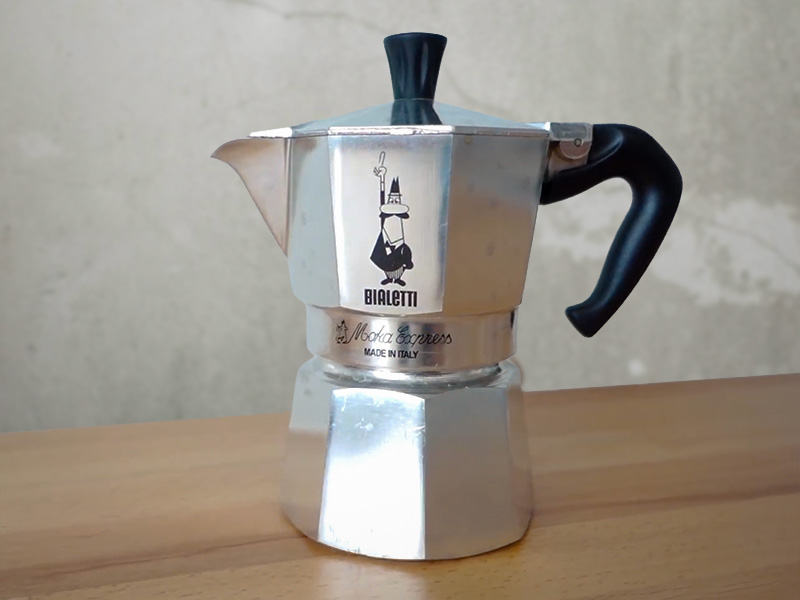
We’ve seen some people display multiple Moka pots as a design feature, but I appreciate that’s not for everyone. So the small size is useful for storing it in a cupboard. Even the biggest Bialetti Moka pot is cupboard-sized, with a 18-cup/ 27oz capacity.
Ours has been heavily used for years – at home, on camping burners, and in tiny apartments – and it still works like new, it just has a few well-worn bruises. Even with regular use, there’s very little that can go wrong if you follow the basic care instructions.
The classic design isn’t just about looks. The shape and materials distribute heat evenly, which is key for consistent coffee. Aluminum models aren’t compatible with induction stoves, but Bialetti’s stainless steel version (the Venus) works perfectly for that setup, or you can get an induction adapter.
We have a gas stove, so we’ve only used the aluminum Moka Pots. On an induction stove, I’d be wary of how fast the pot might heat up.
If the brushed metal look isn’t for you, Bialetti now sells a huge range of colors and funky designs. You can also choose the size that works best for your needs since you need to make a full pot every time.
In short: it’s simple, practical, and built to last. Treat it right, and the Moka Express could easily last decades – that’s why it’s still one of the most trusted classic stovetop coffee makers in the world nearly 100 years after its inception.
No matter how many cups of coffee you need to get you through the day, Bialetti has sizes from 1 to 18 cup capacity:
Bialetti 1 Cup Moka Express | Bialetti Moka Express 3 CupBialetti Moka Express 6 Cup | Bialetti Moka Express 12 Cup

Coffee Quality
What to expect from the Bialetti Moka Express:
Moka coffee is very distinctive and different from other styles of coffee. It falls somewhere between true espresso and drip filter coffee. You’ll enjoy it if you like a bold, rich, and syrupy coffee. Less so if you like to taste the nuanced flavor of your beans.
The quality will vary a bit in the beginning, until you’ve nailed down your technique. For us, it took 4 or 5 attempts. But, after that, it’s remarkably consistent.
Flavor Profile
- Body: Full and syrupy, with an almost thick feeling in your mouth
- Acidity: Low to medium
- Bitterness: Noticeable, but balanced – this is the hallmark taste of Moka coffee
- Aroma: Nutty, chocolatey, with subtle roasted notes
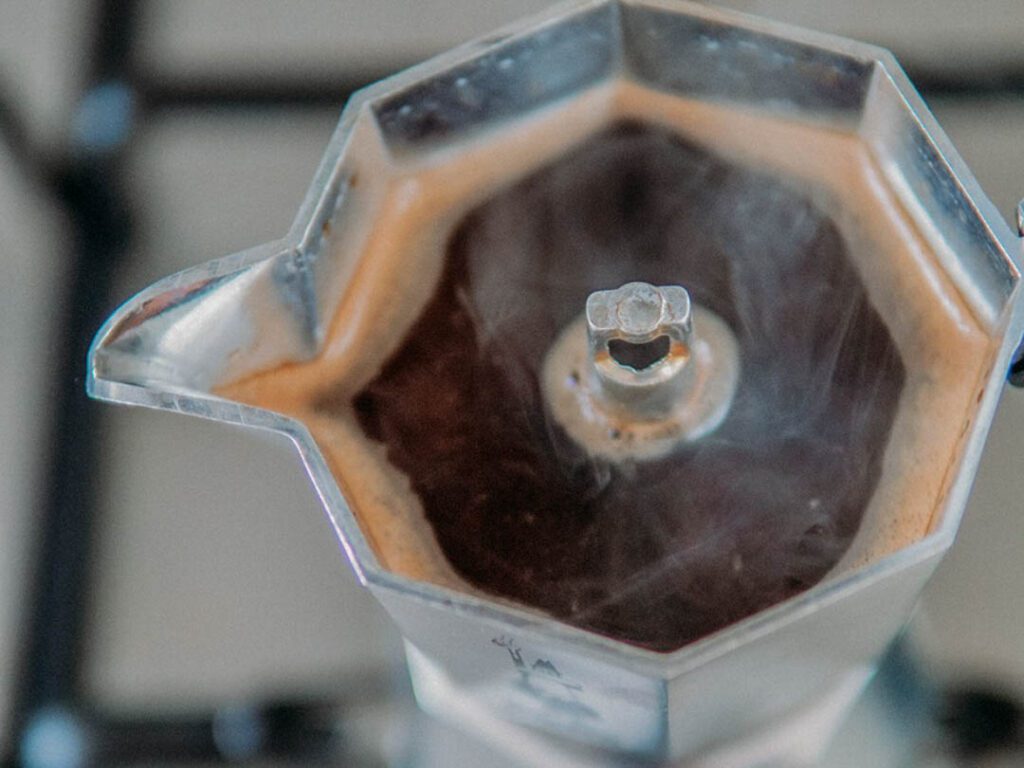
The Bialetti Moka Pot often markets itself as an “espresso maker”. But, unlike a modern espresso machine that brews under higher levels of pressure, it doesn’t create crema. Instead, it delivers a strong, concentrated brew that’s more robust than a French press or drip coffee. Depending on your technique, you might get a decent crema inside the pod, but it rarely transfers to your coffee cup.

Is It Easy to Clean?
Yes, keeping your Bialetti Moka Express in top shape is simple. But a few key steps make all the difference.
Daily Cleaning
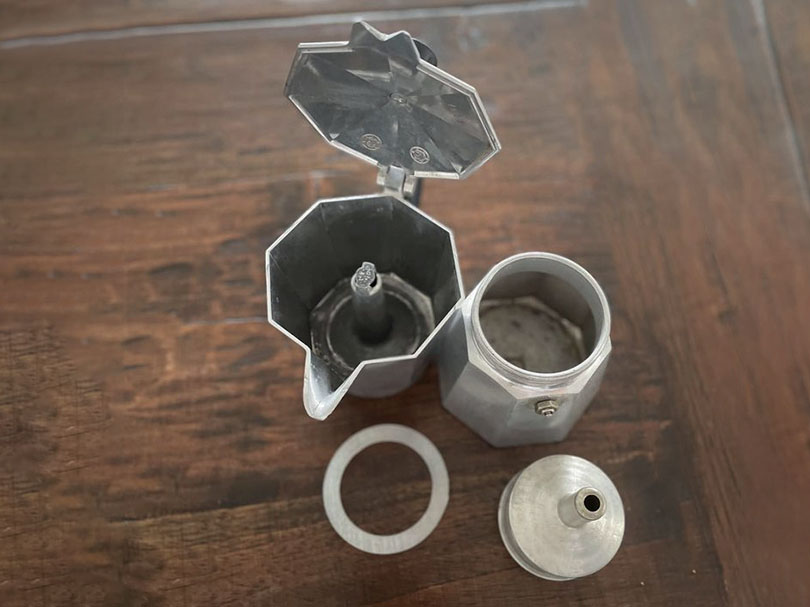
- Disassemble the parts after every use
- Rinse all the parts with warm water. Don’t use any detergents or soaps
- Dry thoroughly before reassembling
While it might seem labor-intensive and time-consuming to clean after every use, it usually only takes us a minute or two at the most.
What to Avoid
Sadly, the Bialetti Moka Express is not dishwasher safe – it could damage the aluminum or cause it to leech into your coffee. The same goes for detergents, scouring pads, or abrasive cleaners. Stick to good old water.
Also, don’t leave coffee sitting in the pot for long periods of time or overnight. This can cause a build-up that will affect the taste of your future brews.
Maintenance
With a little extra TLC, it’s not unrealistic to expect the Moka Express to last for years. In that case, you’ll need to do more routine maintenace to avoid any issues in performance or flavor:
- Check the rubber gasket and filter regularly. Once they look worn, it’s time to replace them.
- If you notice coffee residue building up, a gentle rinse with a vinegar-water solution restores the taste.
We’ve used ours for years, and it’s showing no signs of slowing up. A little, simple care will keep your Bialetti Moka pot brewing beautifully. Thankfully, there are no complicated parts or electronics – the biggest risk is a build-up causing the pot to explode.

Which is Better: Moka Express or Brikka?
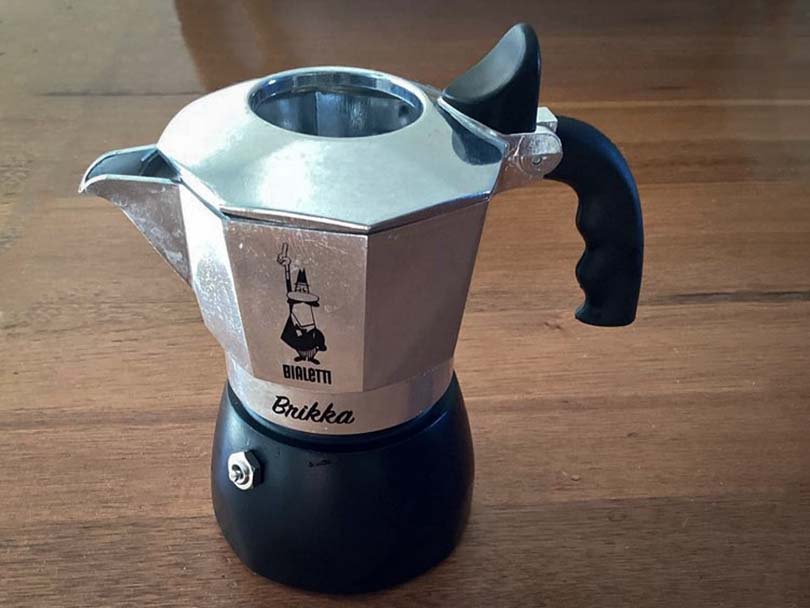
The Brikka adds an extra layer of complexity and produces a stronger cup of coffee than the Moka Express. So, for us, the original is still the best.
The Bialetti Brikka is their newer model. Whilst it is not hugely different in the way it brews coffee, the Brikka produces coffee closer to that of “true espresso” than the Moka Express. It is also harder to use, to begin with.
- For simplicity, the Moka Express is better
- For coffee closer to espresso, the Brikka is the one.
There are distinct performance and flavor differences between the two models. The Brikka produces a crema that the Moka Express doesn’t. In terms of taste, the coffee from the Brikka is much stronger.
If you’re used to using the Moka Express, be prepared for a new learning curve if you purchase the Brikka. The brewing process is much faster which you will need to watch to prevent burning.
As the Brikka is a more complex model, it also means there’s more room for error. The biggest issue we’ve encountered is low pressure where there are gaps in the filter. As the Moka Express is one of the most popular coffee makers in the world, issues are few and far between. You know what they say – don’t fix what’s not broken!
Which is Your Winner?

Bialetti Moka Express vs Moka Elettrika
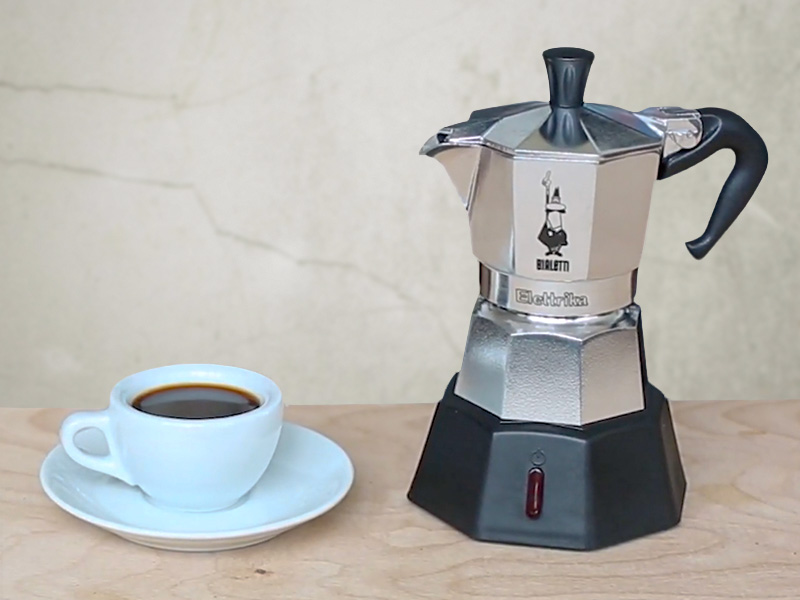
If you love the style of Moka Pot coffee but you don’t have a spare burner, there’s the Bialetti Moka Elettrika instead. It’s a fully electric coffee maker that works exactly like the Moka Express and produces the same style of coffee.
The obvious downside is that you can’t use it anywhere that doesn’t have a power outlet. No campfire/camping stove coffee for you.
If, however, you never intended to use your Bialetti anywhere except your kitchen, then the Elettrika could be a good option for you.
Aesthetically, it looks just as iconic as the Moka Express, just with the added black plastic base section, which I personally don’t like, but I’m fussy.
For us, the difference in coffee quality is minimal to non-existent. So the best Moka pot for you comes solely down to how you’ll use it. The Elettrika is also more expensive, but not drastically so.
It’s a nice option to have.

Final Thoughts
After years of daily use, camping trips, small apartments, busy mornings, and plenty of experimentation, we can confidently end our Bialetti Moka Express review with this: it absolutely earns its place in the coffee hall of fame.
It doesn’t pretend to be a modern espresso machine. It won’t give you 9 bars of pressure or thick café-style crema. What it does give you is bold, rich, satisfying coffee from a very simple setup.
Yes, there’s a small learning curve. Yes, you have to pay attention while it brews. But once you dial it in, it becomes one of the most reliable, low-cost ways to make seriously good coffee at home.
If you love strong stovetop coffee and appreciate simple, durable design, this is an easy recommendation. If you want convenience at the push of a button, true espresso, or a lighter flavor from your coffee, then you’re better off looking elsewhere.
For us? It’s still one of the most dependable coffee makers we own – and one we’ll probably still be using years from now.
Convinced that it’s The One for you? Grab your Bialetti Moka Express, here